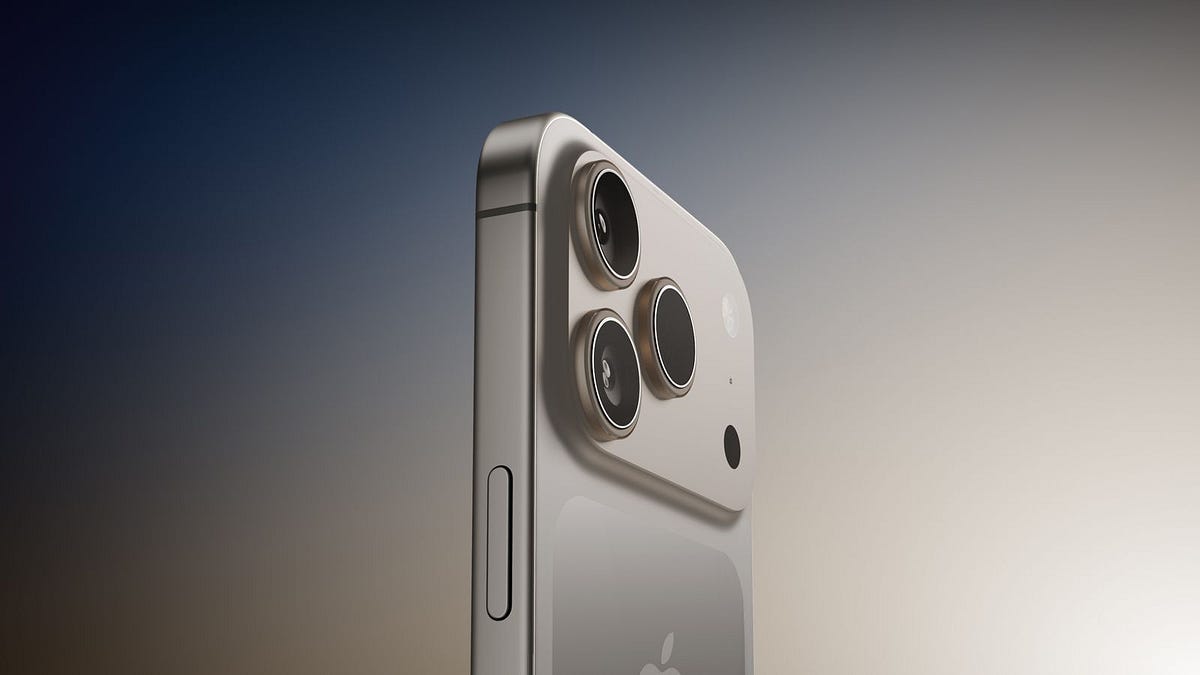
5 Personal Real Reasons to Buy an iPhone in 2025
Learn how strategic model picks, ecosystem synergy, and rock-solid longevity make your next iPhone the best investment.
Non-members can read here or subscribe to stay updated whenever I publish.
I’ve seen numerous messages asking whether investing in an iPhone in 2025 is a good idea. Even with some upgrade frustrations, I think the iPhone remains a top choice this year, thanks to its ecosystem, support, camera, privacy, and performance.
From the moment you unbox an iPhone, every Apple device you own feels like part of a single organism. Your Apple Watch mirrors notifications so you can leave your phone in your pocket. Handoff lets you draft an email on your phone, continue it on iPad, and finalize it on a Mac without manual file transfers. AirDrop moves photos and documents instantly between devices, and Messages syncs your conversations across screens. This seamless interplay isn’t just convenient — it saves you minute by minute of frustration every day, boosting your overall productivity.
Built to Last and Hold Value
Apple’s commitment to longevity remains unmatched.
My decade-old iPhone 6 still powers on, receives security patches, and handles basic tasks even if its battery life has faded. While many Android manufacturers promise four to seven years of updates, Apple routinely supports devices far beyond that window.
This extended software support, combined with robust hardware, ensures your iPhone stays current longer — and when you decide to upgrade, you’ll recover a larger portion of your initial investment thanks to stronger resale prices.
Unrivaled Video and Photo Capabilities
For smartphone videography, the iPhone remains the leader. You get ProRes and log capture in 4:2:2 10-bit, up to 4K60 on every lens, plus cinematic stabilization that rivals handheld gimbals. Colors remain true, dynamic range is impressive in both highlights and shadows, and low-light performance continues to improve.
Photographers benefit from Smart HDR and computational enhancements that keep pace with — and often surpass — what competing flagships deliver.
Privacy and Security You Can Trust
Apple’s privacy stance is more than marketing: it’s accounted for in the operating system. You see exactly which apps access your location, camera, or microphone — and when. Face ID combines ease of use with industry-leading security. Although Android has made strides, few manufacturers match Apple’s transparency and dedication to keeping user data on the device rather than in corporate coffers.
Performance That Stands the Test of Time
At the heart of every iPhone is a custom Apple Silicon chip, fine-tuned for iOS. This unity means years of smooth animations, swift multitasking, and rock-solid gaming performance without the frequent crashes or resets some high-end Android devices exhibit.
Even older iPhones handle everyday use competently, proving that Apple’s integrated design pays dividends long after purchase.
Budget-Friendly Alternatives to the iPhone 16 Pro Max
Yes, flagship iPhones remain expensive — but they deliver a polished, cohesive experience few rivals can match. You’re not obligated to upgrade every year; a two- or three-year cycle still leaves you with a device that feels fresh, secure, and powerful. If you value seamless device integration, long-term support, top-tier camera and video, airtight privacy, and enduring performance, an iPhone in 2025 remains a smart investment.
Are you planning to upgrade this year, or will you explore other options? I’d love to hear your thoughts in the comments.
Believe it or not, an iPhone 15 — or even a 14 Pro Max or 13 Pro Max — still delivers top-tier performance and remains 100% relevant in 2025. These models handle every task you throw at them, from gaming and video editing to daily multitasking, without breaking a sweat.
If you’re looking to save, you’ll find pre-owned or discounted iPhone 13, 14, and 15 models for significantly less than the latest 16 Pro Max. By choosing one of these recent generations, you get nearly identical hardware and software features at a fraction of the cost — no compromise required.
Final Thoughts
Buying an Apple device is more than a one-year purchase; it’s a 5- to 7-year investment. Thanks to Apple’s industry-leading software support and durable build quality, these iPhones remain fast, secure, and up-to-date long after rivals have dropped off the update schedule. When you spread the cost over half a decade, the initial price tag starts to look very reasonable.
When it’s time to upgrade, you’ll recoup far more of your investment selling a five-year-old iPhone than you would with an Android flagship. Apple’s strong brand demand and lower depreciation curve mean higher trade-in or resale prices — so you lose less money when you move on to your next phone.
There you have it: even in 2025, pre-16 Pro Max iPhones remain stellar choices for performance, longevity, and resale value. If this article helped you decide which model fits your budget and lifestyle, please share, and comment below — and don’t forget to subscribe for more in-depth Apple insights.
Thanks, and see you next time!